A World War II Service Record
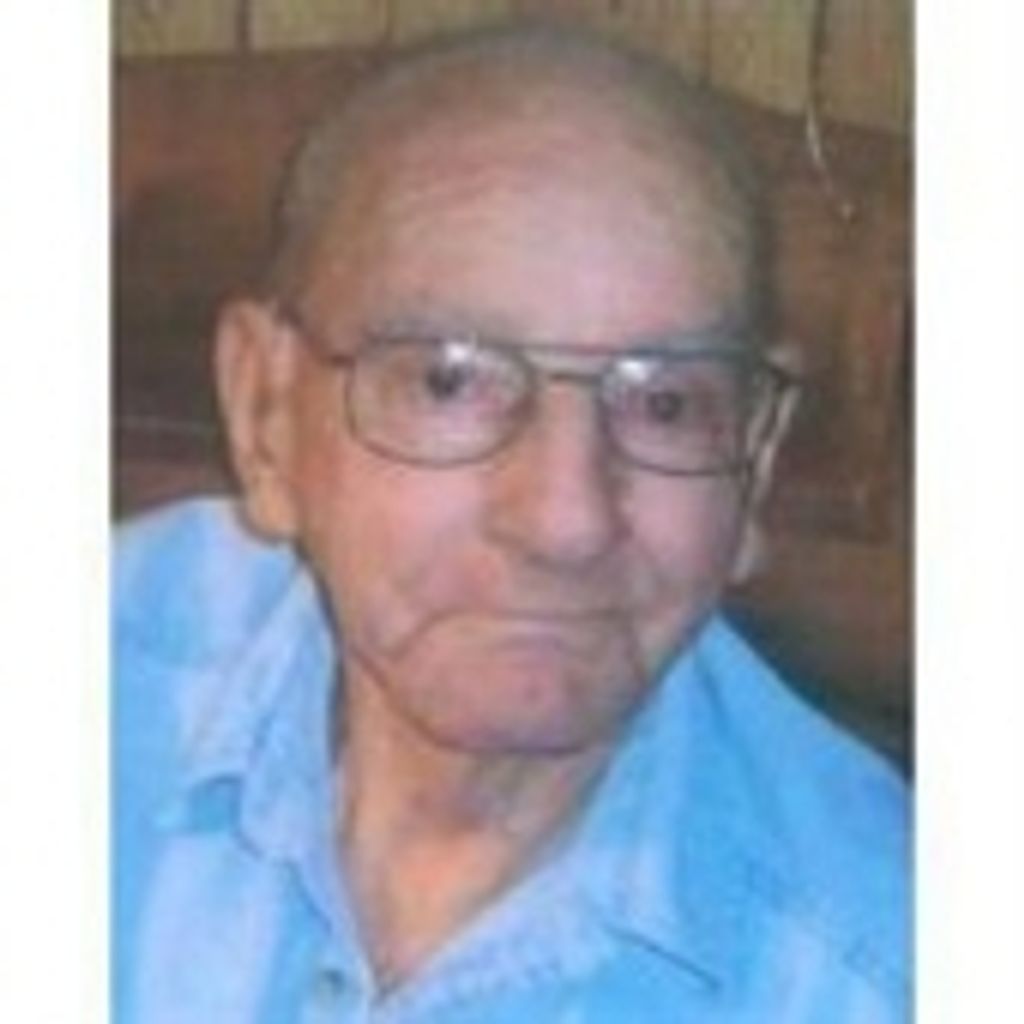
Pearl Matheney Jr.
Private First Class (PFC) · 736th Engineer Heavy Shop Company
Army · Service no. 46 077 798
This timeline comes from Pearl's own Honorable Discharge, the county copy filed at Robinson in May 1948, along with his obituary and the federal records that confirm both. Every entry says where it came from.
One thing worth being straight about. The family remembers Pearl as a World War II veteran. The Veterans Administration files him as one, and his World War II Victory Medal is his by right: that medal covered service through the end of 1946.
He enlisted on 9 April 1946, seven months after Japan's formal surrender. His discharge records no battles and no campaigns. There were none left to fight. He was eighteen, he volunteered, and he gave nineteen months to a defeated country while the peace was still being put together.
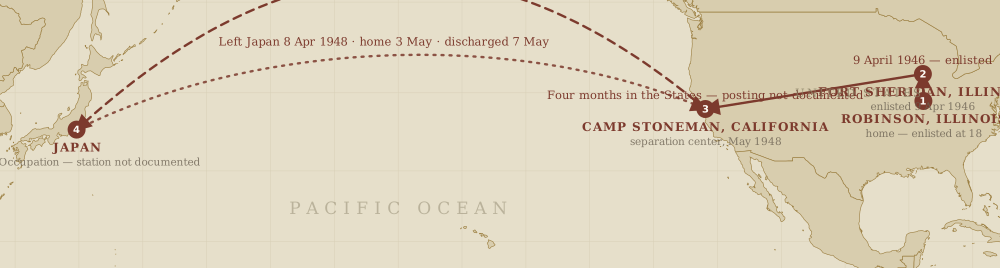
The four places his discharge names, and the dates he moved between them. The port he sailed from and his station in Japan are not on the document, and are marked as such rather than guessed at.
When researchers trace a soldier through the National Archives, the document they want is the morning report. Every Army company filed one every day: who joined, who left, who fell sick, who was promoted, each man written down by name and serial number. Find the right roll and you can follow a man almost day by day.
For Pearl there is no roll to find, and the reason has nothing to do with him.
The National Archives has digitized the morning reports through December 1944. Everything after that sits on microfilm in St. Louis and can be read only in person. Pearl enlisted in April 1946, sixteen months past the end of the scanned run. His name is not missing from those records. The records that would carry it have never been photographed.
This is a different problem from the 1973 fire, and the two are easy to confuse. The fire destroyed his personnel file: his assignments, his training, the paperwork of a whole enlistment. The morning reports were never stored in that building. Both losses are real, and they are not the same loss.
So this timeline is built from what outlived both: the discharge his county clerk copied into the Crawford County record, and the federal files that confirm it. What remains to be read is the 736th Engineer Heavy Shop Company's own history, 1943–1949, held at the National Archives in College Park. It has not been digitized either, so reading it means asking for it in writing. That request is the next step.